

Dr. Sarah Martinez was drowning in a sea of phone calls. Every morning, her front desk staff spent three hours calling patients to confirm appointments, reschedule conflicts, and send pre-visit reminders. By noon, they were already behind on insurance verifications and patient intake forms.
Sound familiar? You're not alone.
The single operational change that transformed Sarah's practice: and can transform yours: is deceptively simple: automated patient communication workflows.
The Hidden Cost of Manual Communication
Most healthcare practices burn 15-20 hours weekly on routine patient communications. That's nearly half a full-time employee's schedule consumed by repetitive tasks that generate zero clinical value.
Consider what your team handles manually every day:
- Appointment confirmations and reminders
- Rescheduling requests and coordination
- Pre-visit instructions and forms
- Post-visit follow-up calls
- Insurance verification reminders
- Payment notifications

Each interaction seems small. But multiply those minutes across hundreds of patients monthly, and you're looking at a massive operational drain that directly impacts your bottom line and team morale.
The Compound Effect of Communication Chaos
Manual communication creates ripple effects throughout your entire operation. When staff spend morning hours on phone calls, afternoon tasks get delayed. Insurance verifications pile up. Patient intake forms arrive incomplete. Scheduling conflicts multiply because confirmations happen too late.
The real killer? Decision fatigue. Your team makes hundreds of micro-decisions daily about who to call, when to call, what to say, and how to follow up. This cognitive load reduces their effectiveness in patient-facing moments where they add the most value.
Sarah's practice was losing $47,000 annually to this hidden inefficiency: money that could fund equipment upgrades, staff bonuses, or practice expansion.
The 80/20 Rule Applied to Patient Communication
Here's the breakthrough insight: 80% of patient communications follow predictable patterns. Appointment confirmations, routine reminders, and standard follow-ups require no human judgment. They're perfect candidates for automation.
The remaining 20%: complex scheduling changes, insurance complications, or medical questions: genuinely need human touch. By automating the routine 80%, you free your team to excel where they matter most.
How Automated Workflows Actually Work
Automated patient communication isn't about replacing human connection. It's about timing and efficiency.
The Setup Process:
- Trigger Events: Appointments scheduled, forms due, payments pending
- Communication Sequences: Automated texts, emails, or calls at optimal times
- Response Handling: Simple confirmations processed automatically, complex issues routed to staff
- Follow-Up Logic: Missed appointments trigger rescheduling sequences automatically
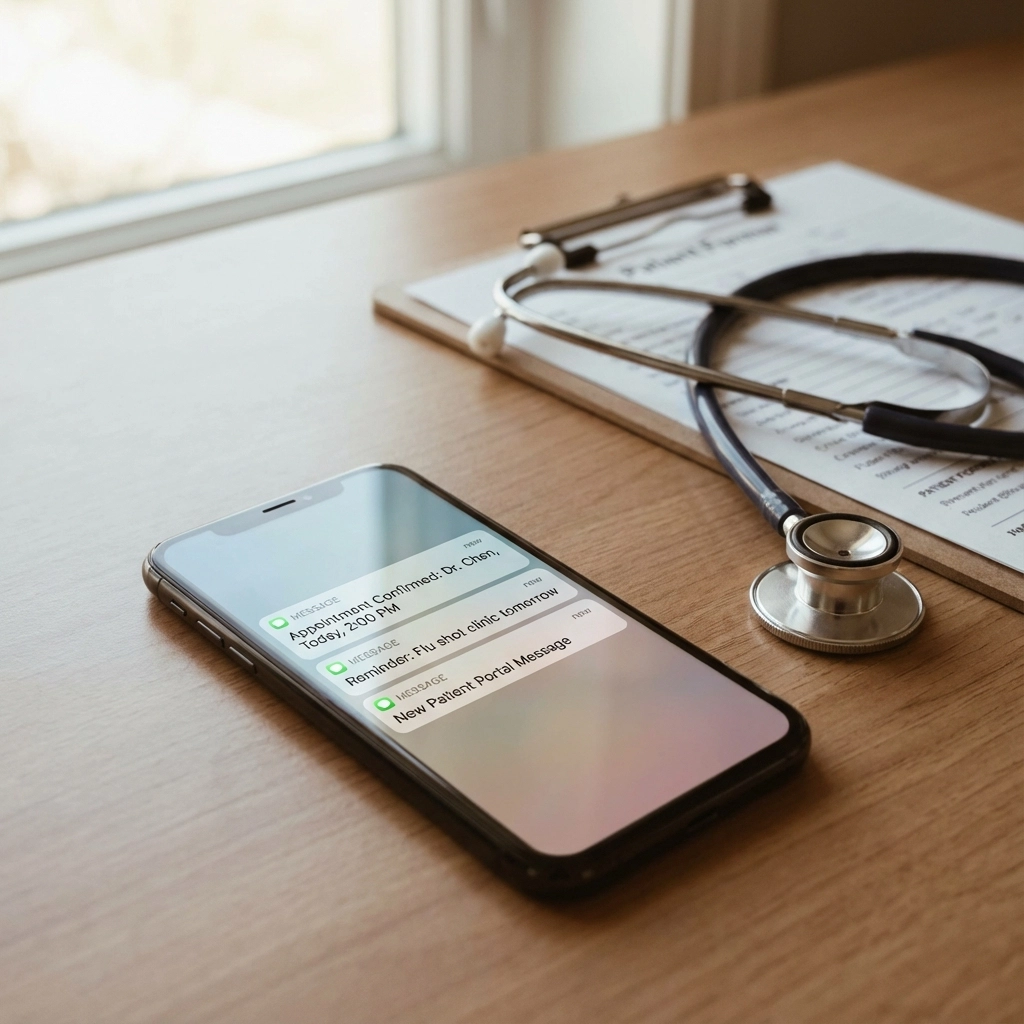
Real-World Example:
When a patient schedules a visit, the system automatically:
- Sends confirmation within 10 minutes
- Delivers pre-visit forms 48 hours prior
- Sends appointment reminder 24 hours before
- Processes confirmations without staff involvement
- Escalates no-shows to staff for personal outreach
The entire sequence runs without human intervention until human judgment is actually needed.
Implementation: Start Small, Think Big
Don't attempt to automate everything at once. Sarah's practice began with appointment confirmations: the highest-volume, lowest-complexity communication type.
Week 1-2: Baseline Measurement
Track exactly how many minutes your team spends on routine communications daily. Sarah's team logged 18 hours weekly on appointment-related calls alone.
Week 3-4: Single Workflow Automation
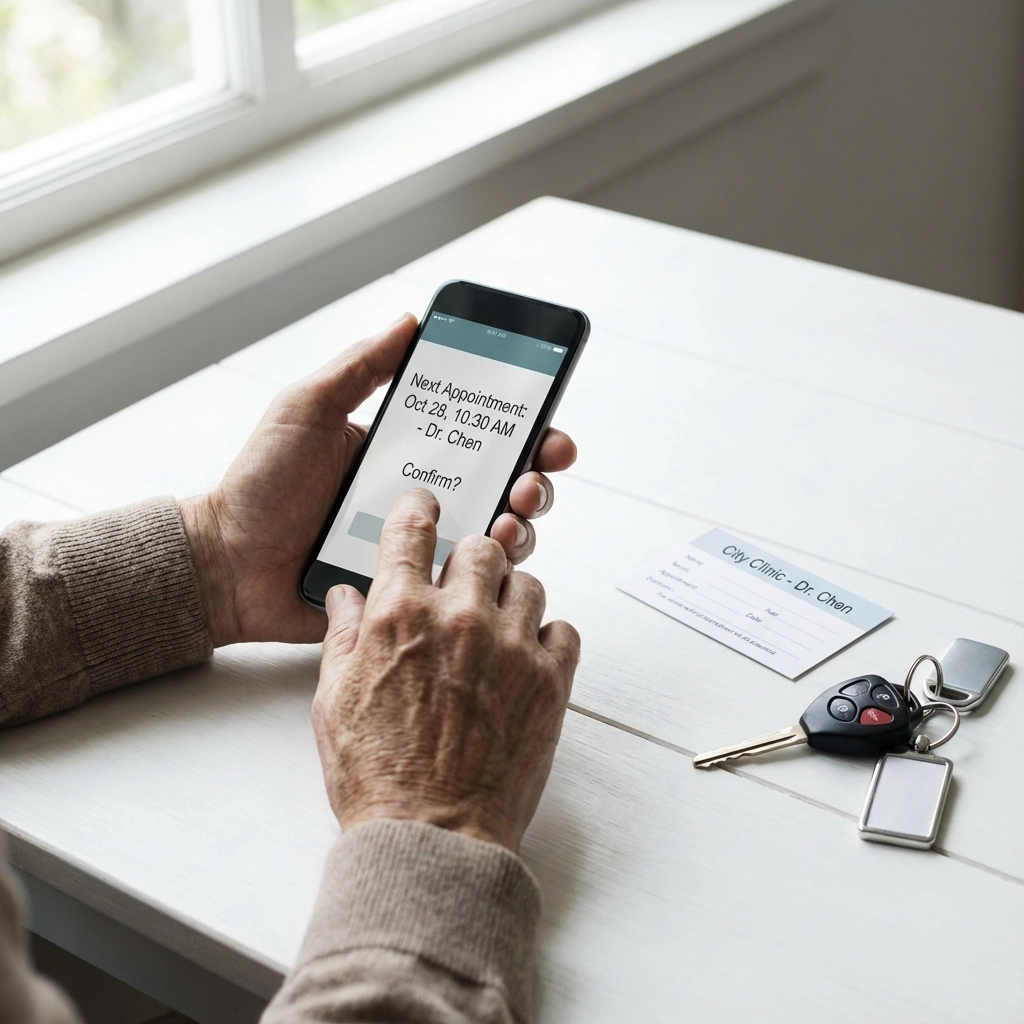
Implement automated appointment confirmations via text message. Most patients prefer text confirmations anyway: they're faster and less disruptive than phone calls.
Week 5-8: Measure and Adjust
Sarah's confirmation response rate jumped from 67% to 84% with automated texts. Phone call volume dropped by 60% in the first month.
Month 2-3: Expand Systematically
Add pre-visit form delivery, payment reminders, and post-visit follow-ups to your automated workflows.

The Surprising Benefits Beyond Time Savings
Automated communication delivers advantages that extend far beyond reclaimed hours:
Improved Patient Experience: Patients receive consistent, timely communications regardless of staff availability. No more "I never got a reminder call" complaints.
Enhanced Data Collection: Digital forms submitted in advance arrive complete more often than paper forms filled out in waiting rooms.
Reduced No-Shows: Automated reminder sequences with easy rescheduling options cut no-show rates by 25-40% across most practices.
Staff Satisfaction: Team members report higher job satisfaction when freed from repetitive tasks to focus on meaningful patient interactions.
Scalability: Your communication capacity grows without proportional staff increases. Sarah's practice handled 30% more patients without adding front desk personnel.
Measuring Success: The Metrics That Matter
Track these key performance indicators to quantify your operational improvement:
- Time Reclaimed: Hours per week freed from manual communications
- Response Rates: Confirmation and form completion percentages
- No-Show Reduction: Percentage decrease in missed appointments
- Staff Utilization: Improved allocation of human resources to high-value tasks
- Patient Satisfaction: Feedback on communication preferences and timing
Sarah's practice achieved 18 hours weekly time savings, 17% no-show reduction, and 93% patient satisfaction with automated communications within 90 days.
Common Implementation Pitfalls to Avoid
Over-Automation: Don't automate communications that genuinely benefit from personal touch. Medical results, complex treatment discussions, and sensitive situations require human empathy.
Poor Timing: Automated messages sent at inappropriate hours damage patient relationships. Respect communication preferences and quiet hours.
Generic Messaging: Personalize automated communications with patient names, specific appointment details, and relevant practice information.
Ignoring Preferences: Some patients prefer phone calls over texts. Capture and respect individual communication preferences.
Beyond Communication: The Multiplier Effect
Once you've successfully automated patient communications, you'll recognize automation opportunities throughout your practice:
- Insurance verification workflows
- Billing and collections sequences
- Staff scheduling coordination
- Inventory management alerts
- Compliance documentation tracking
Each small automation compounds with others, creating systematic efficiency gains that transform your entire operation.
The Path Forward
One small operational change: automated patient communication workflows: can reclaim 15-20 hours weekly while improving patient satisfaction and reducing no-shows.
The question isn't whether automation will impact your practice. It's whether you'll lead that change or be forced to catch up later.
Start with appointment confirmations this month. Measure the results. Expand systematically. Your future self will thank you for taking action today instead of continuing to manually manage what technology can handle automatically.
Ready to reclaim your time and reduce administrative burden? Book a 15-Minute Introductory Strategy Session to discover how successful practices are implementing operational changes that deliver measurable results within 30 days.