

Your spreadsheets might show average wait times of 15 minutes. Your scheduling software might indicate 95% appointment adherence. But Sarah, your longtime patient, just mentioned during checkout that she almost switched practices because "it always feels chaotic here."
That comment reveals a bottleneck your data missed entirely.
Patient Stories Surface Hidden Problems
Data tells you what happened. Patient experience tells you why it matters and where the real friction lives.
Take appointment scheduling. Your system shows appointments are booked efficiently. But patients mention they had to call back three times to get through, or the person who answered couldn't access their records immediately. These aren't data points in your system: they're bottlenecks that directly impact patient retention.

Patient conversations reveal operational blind spots that don't show up in reports. When patients say "I never know how long I'll wait" or "Nobody told me I needed to fast for this test," they're pointing to communication breakdowns that create downstream bottlenecks.
Listen for Process Breakdowns in Casual Comments
The most valuable feedback doesn't come from formal surveys. It emerges in hallway conversations, checkout interactions, and phone calls.
Pay attention when patients mention:
- Confusion about next steps
- Repeating information multiple times
- Waiting without updates
- Difficulty reaching the right person
- Unexpected requirements or procedures
These casual comments often pinpoint exactly where your processes break down, before your metrics register the problem.
The Real-Time Advantage
Patient experience feedback happens in real-time. Data collection and analysis takes time. By the time your quarterly reports show declining satisfaction scores, you've already lost patients.
When a patient mentions frustration during their visit, you can address the underlying process issue immediately. When they express confusion about billing, you can identify where communication gaps exist in your revenue cycle.
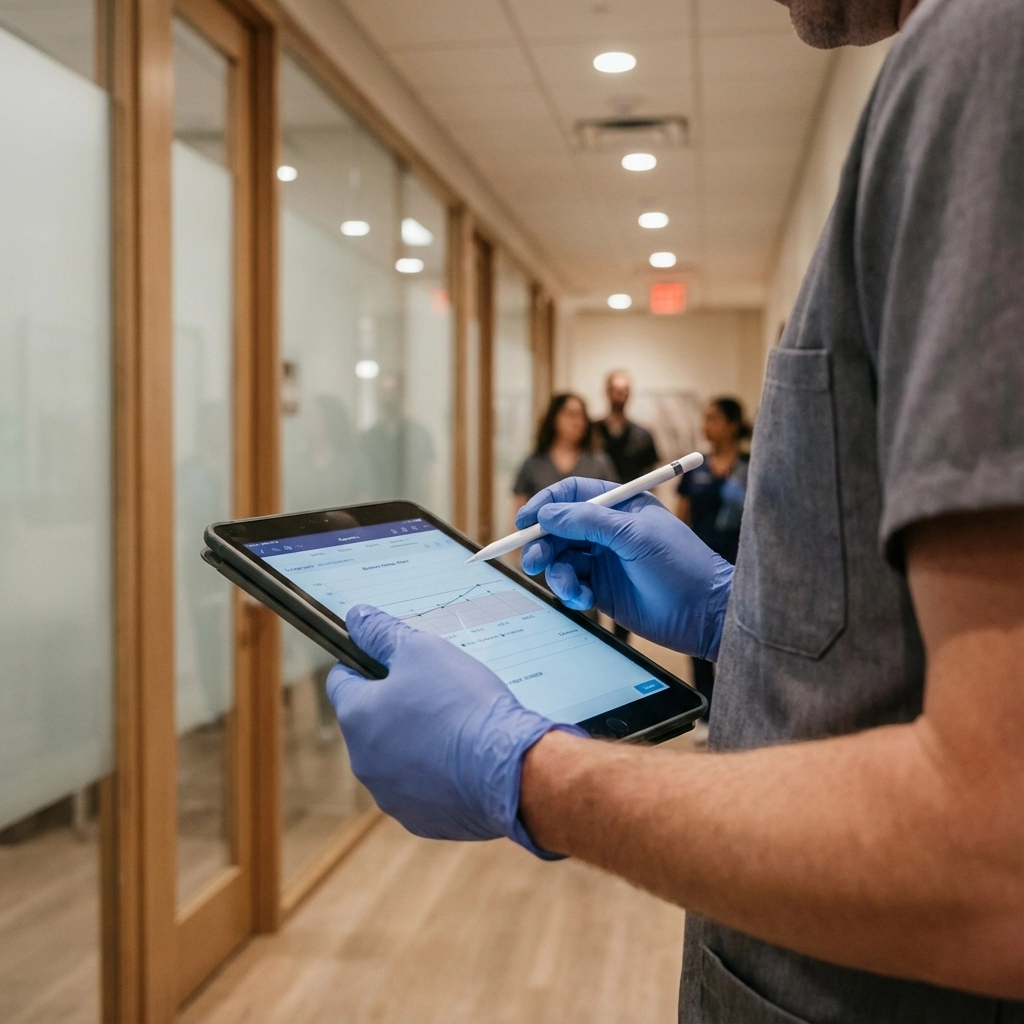
This immediate feedback loop lets you spot bottlenecks as they develop, not after they've created lasting damage.
What Patients Notice That Data Doesn't
Patients experience your practice as a complete journey. Your data typically measures isolated touchpoints.
They notice when:
- Staff seem overwhelmed or stressed
- Information doesn't flow between departments
- Technology glitches interrupt their experience
- Processes feel unnecessarily complex
- Communication feels rushed or incomplete
These observations reveal systemic bottlenecks that might not appear in individual performance metrics but significantly impact overall practice efficiency.
Building Simple Feedback Systems
You don't need complex survey tools. Start with intentional listening:
During appointments: Ask "How was scheduling this visit?" or "Is there anything about today's process that felt unclear?"
At checkout: "Did everything go smoothly today?" often reveals process issues.
Phone interactions: Train staff to note when patients mention frustration or confusion.
Follow-up calls: A simple "How was your experience?" after procedures often uncovers workflow problems.

For practices ready to systematize this approach, tools like Marblism can help build custom feedback collection systems that capture patient insights without adding administrative burden.
Acting on Patient Intelligence
Patient feedback reveals bottlenecks, but only if you act on what you learn.
When patients consistently mention similar issues:
- Map the specific process they're describing
- Identify where communication breaks down
- Look for staff workflow inefficiencies
- Examine technology or system gaps
The goal isn't to fix every complaint, but to spot patterns that indicate larger systemic problems affecting multiple patients.
Making Patient Experience Your Early Warning System
Your most engaged patients will tell you about problems before they escalate. They mention frustrations because they want to stay with your practice, not because they're planning to leave.
Use their feedback as an early warning system. When longtime patients start mentioning operational frustrations, investigate immediately. These conversations often reveal bottlenecks that would take months to surface in formal data analysis.
Patient experience doesn't replace data: it provides the context that makes data actionable and reveals problems before they show up in your reports.
Ready to identify the bottlenecks hiding in your practice? Book a 15-minute session to discuss how patient feedback can reveal operational improvements that data alone misses.